Side · vegetable
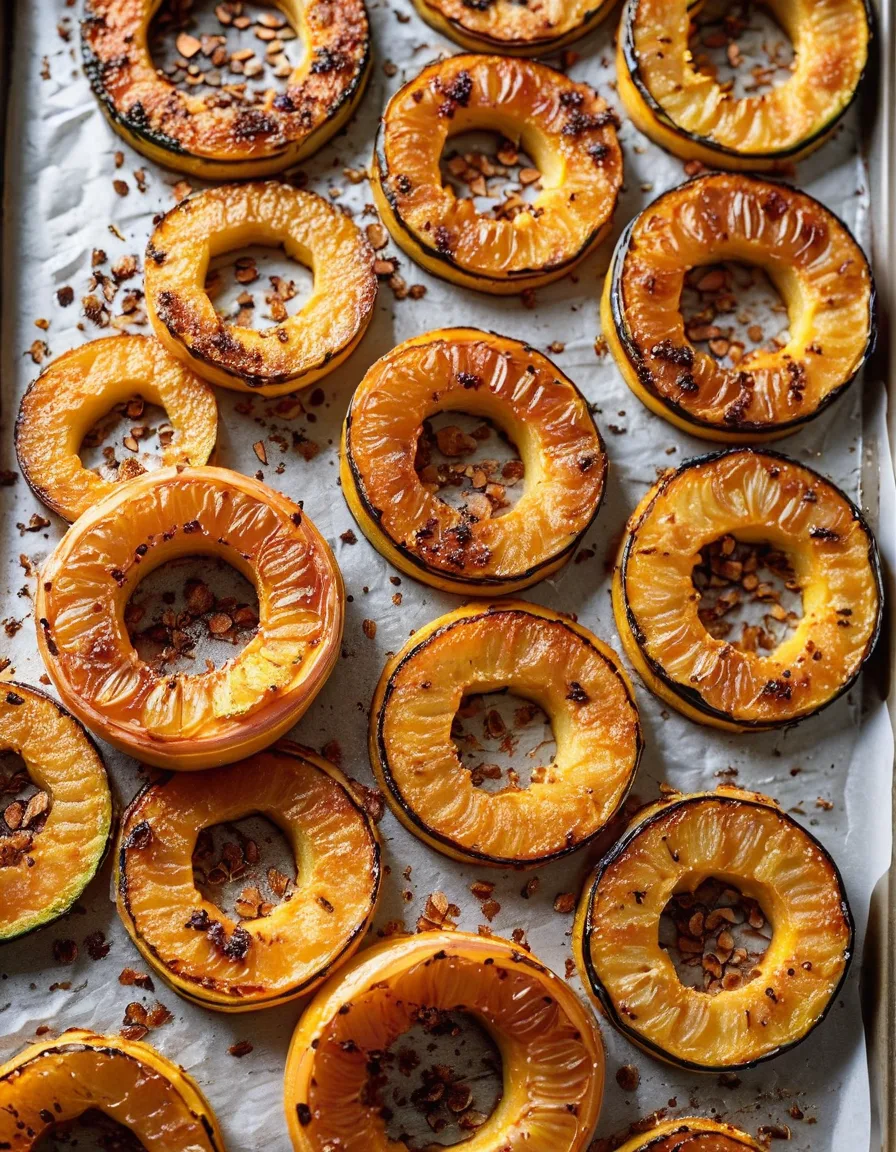
Maple-Chili Roasted Delicata Squash
Delicata half-moons roasted skin-on until the edges caramelize, glazed with maple and chili in the last few minutes.
Ingredients · 4 servings
| 2 medium | delicata squash |
| 2 tbsp | olive oil · pantry |
| 1 tbsp | maple syrup |
| 0.5 tsp | red chili flakes grow it ↗ · pantry |
| 0.75 tsp | kosher salt · pantry |
| 1 tsp | apple cider vinegar · pantry |
Method
- Heat the oven to 425°F with a rimmed sheet pan inside.
- Toss the squash with olive oil, salt, and chili flakes. Leave the maple out for now.
- Spread the squash on the hot pan in a single layer and roast 15 minutes, until the undersides are deeply browned.
- Flip the pieces, drizzle with maple syrup, and roast 8-10 minutes more, until the glaze is sticky and the edges are dark.
- Toss with the vinegar on the pan and serve.
Nutrition · per serving
Estimated from this recipe's ingredients, not lab-measured — not a substitute for professional dietary advice.
Advertisement
The Why · No Anecdotes
The science, not a story about my childhood.
Why not peel delicata squash?
Delicata has an unusually thin rind with far less of the tough, woody tissue that makes butternut or acorn skin unpleasant. At roasting temperatures it softens along with the flesh, so peeling removes nothing but time and a layer that browns well.
Why add the maple syrup late?
Sugars start to scorch well below the surface temperature of a 425°F sheet pan. Added at the start, the syrup would blacken in the 15 minutes the squash needs to cook through. Added once the squash is nearly done, it only has time to reduce and caramelize.
Why preheat the sheet pan?
Browning needs a dry, hot surface. Squash set on a cold pan spends its first several minutes releasing moisture and steaming in it. A preheated pan evaporates that surface moisture on contact, so browning starts immediately.