Entrée
Pasta e Ceci
Small pasta cooked right in a rosemary-tomato chickpea broth until it is half soup, half stew. One pot, pantry staples, 30 minutes.
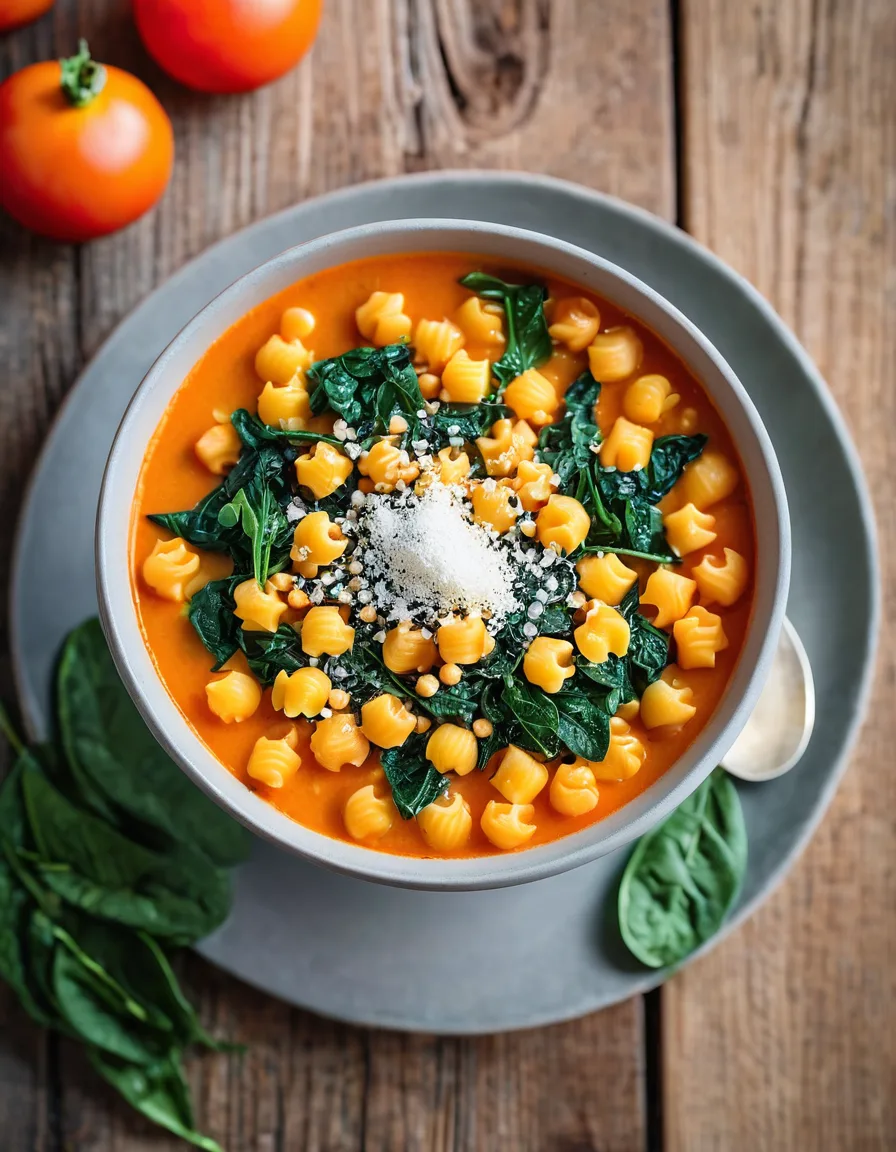
Ingredients · 4 servings
| 3 tbsp | olive oil · pantry |
| 1 small | yellow onion |
| 3 cloves | garlic grow it ↗ |
| 1 sprig | fresh rosemary |
| 0.25 tsp | red chili flakes grow it ↗ · pantry |
| 2 tbsp | tomato paste · pantry |
| 2 15-oz cans | chickpeas |
| 1 tsp | kosher salt · pantry |
| 8 oz | ditalini or other small pasta |
| 3 cups | baby spinach grow it ↗ |
| 0.5 cup | Parmesan |
| 0.5 whole | lemon |
Method
- Heat the oil in a large pot over medium heat. Add the onion and cook 5 minutes, until soft. Stir in the garlic, rosemary sprig, and chili flakes for 30 seconds.
- Add the tomato paste and cook 2 minutes, stirring, until it darkens to brick red and starts to stick.
- Add the chickpeas with their liquid, 4 cups water, and the salt. Bring to a boil, then mash about a ladleful of chickpeas against the side of the pot with the back of a spoon.
- Stir in the pasta and simmer 9-11 minutes, stirring often so it does not stick, until the pasta is tender and the broth has thickened. Add a splash of water if it gets too thick before the pasta is done.
- Pull out the rosemary stem. Stir in the spinach until wilted, then half the Parmesan and the lemon juice. Serve with the remaining Parmesan and a drizzle of olive oil.
Nutrition · per serving
Estimated from this recipe's ingredients, not lab-measured — not a substitute for professional dietary advice.
Advertisement
The Why · No Anecdotes
The science, not a story about my childhood.
Why cook the pasta in the soup instead of separately?
Pasta sheds starch as it cooks. In a big pot of water that starch goes down the drain; cooked in the soup it stays, thickening the broth and helping the olive oil emulsify into it. The pasta also absorbs seasoned broth rather than plain water.
Why fry the tomato paste?
Tomato paste straight from the can tastes sharp and raw. A couple of minutes in hot oil drives off water, caramelizes some of its sugars, and browns it, which adds savory depth. The color change from bright red to brick red is the signal it has happened.
Why use the liquid from the chickpea cans?
That liquid is full of starch and protein that leached out of the chickpeas. It gives the broth body from the start, the same way the mashed chickpeas do. Rinsing the beans would throw away free thickener.
Suggested sides — swap freely