Entrée
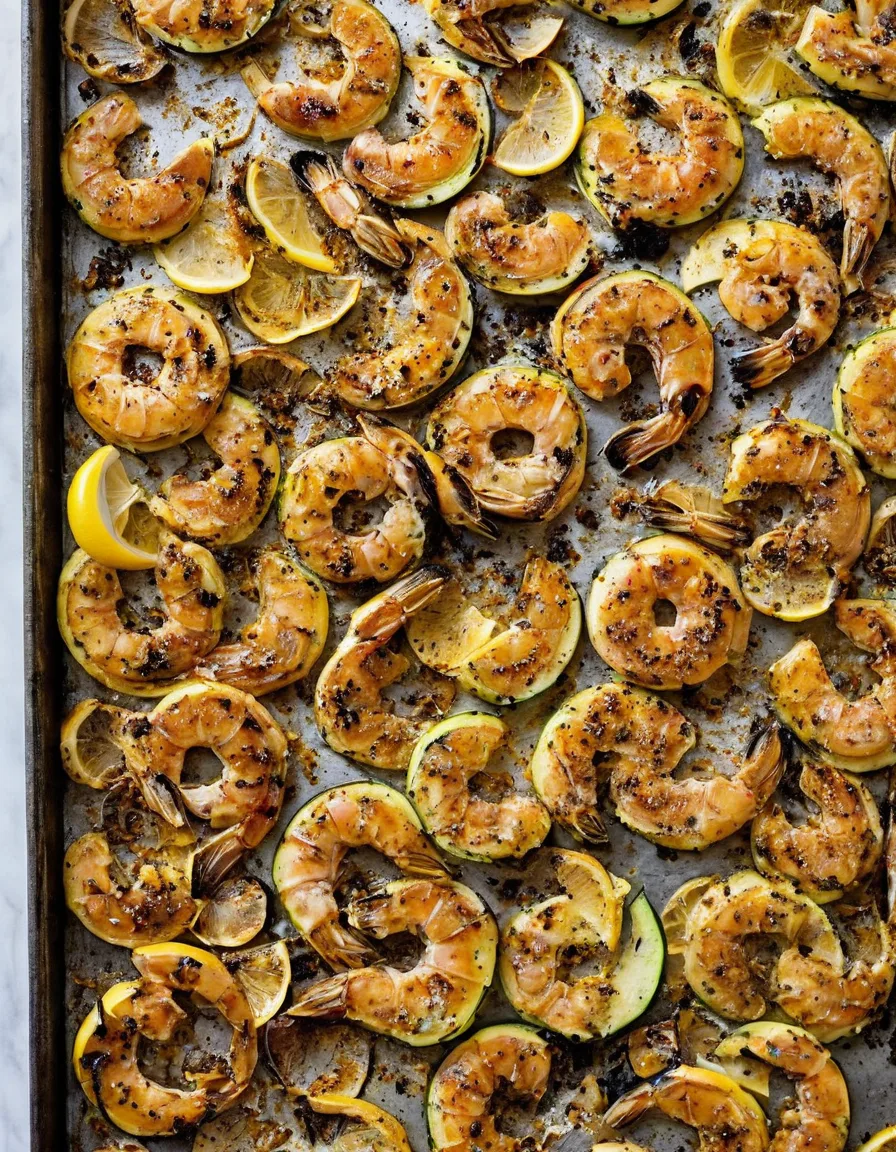
Sheet-Pan Broiled Shrimp and Zucchini, Lemon-Garlic
Broiled shrimp and zucchini char fast under high heat, finished with lemon and garlic. One pan, dinner in 20 minutes.
Ingredients · 4 servings
| 1.5 lb | large shrimp, peeled and deveined |
| 2 medium | zucchini grow it ↗ |
| 1 pint | cherry tomatoes grow it ↗ |
| 4 cloves | garlic grow it ↗ · pantry |
| 3 tbsp | olive oil · pantry |
| 1 whole | lemon |
| 0.25 tsp | red pepper flakes · pantry |
| 2 tbsp | flat-leaf parsley grow it ↗ |
| 0.75 tsp | kosher salt · pantry |
| 0.25 tsp | black pepper · pantry |
Method
- Set oven rack 6 inches from the broiler and preheat broiler to high. Line a sheet pan with foil for easy cleanup, if you want.
- On the sheet pan, toss zucchini and cherry tomatoes with 2 tbsp olive oil, half the garlic, salt, and pepper. Spread in a single layer.
- Broil 6-8 minutes, until zucchini edges char and tomatoes start to blister and burst.
- Push vegetables to one side. Toss shrimp with remaining 1 tbsp olive oil, remaining garlic, red pepper flakes, and a pinch more salt, then spread on the open side of the pan.
- Broil 3-4 minutes, watching closely, until shrimp curl into a C shape and turn opaque throughout.
- Pull the pan out, squeeze lemon juice over everything, scatter lemon zest and parsley on top, and toss gently right on the pan before serving.
Nutrition · per serving
Estimated from this recipe's ingredients, not lab-measured — not a substitute for professional dietary advice.
Advertisement
The Why · No Anecdotes
The science, not a story about my childhood.
Why broil instead of just sautéing shrimp and zucchini in a skillet?
A broiler radiates intense direct heat from above, hitting 500°F+ surface temperatures that a stovetop skillet struggles to sustain evenly across a whole pan of food. That heat drives fast browning (the Maillard reaction) and light charring on the vegetables in the same few minutes it takes to cook the shrimp through, without needing to babysit multiple batches.
How do you know when shrimp is actually done under a broiler?
Shrimp muscle fibers are short and tightly coiled, so as they cook they contract and curl into a tight 'C' shape. A shrimp that curls into an 'O' is overcooked and rubbery because the proteins have squeezed out too much moisture. Pull them at the loose 'C' stage and residual heat finishes the job.
Why add the lemon juice at the end instead of marinating the shrimp in it first?
Citric acid denatures shrimp proteins the same way heat does — leave raw shrimp in lemon juice too long and they turn opaque and firm before they ever hit the broiler, effectively 'cooking' unevenly. Adding acid after cooking brightens the dish without altering the shrimp's texture.
Suggested sides — swap freely